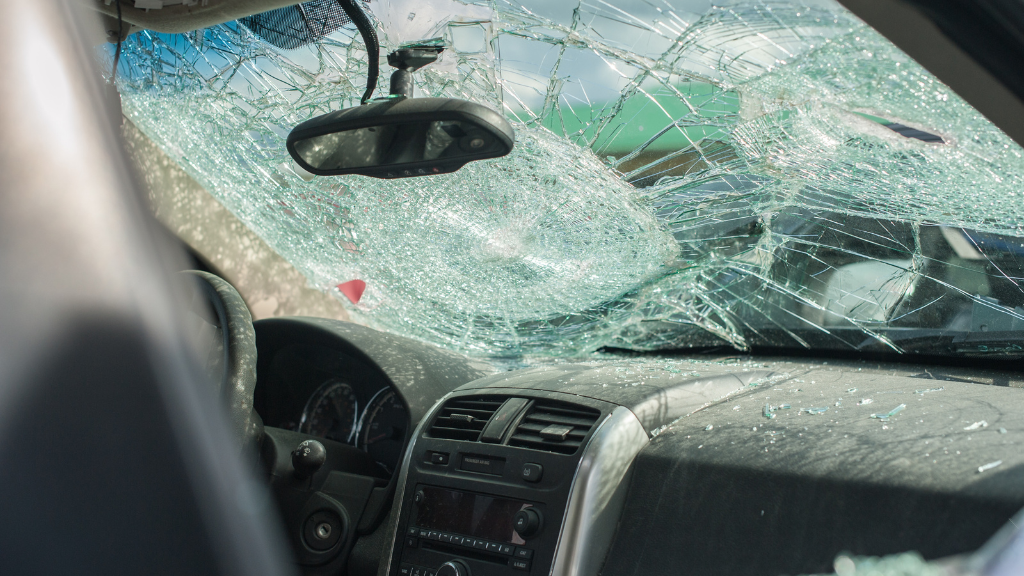
You walked away from the accident.
Afterward, you answered a few questions.
Insurance information was exchanged before everyone went their separate ways. Maybe you even told the officer on the scene that you felt fine.
And in that moment, you meant it.
Because, right then, you did feel fine.
Or at least fine enough.
What most people don’t realize is that feeling okay immediately after a car wreck is not the same as being okay.
Why Delayed Injury Symptoms Matter
And the overlooked car accident injuries that don’t show up right away?
Those are often the injuries that affect your health, disrupt your daily life, and weaken your injury claim if you fail to seek timely evaluation and proper documentation.
Why So Many Car Wreck Injuries Go Unnoticed at First
People search for things like:
Why do I feel fine after a car accident but hurt later?
Can injuries from a car wreck show up days later?
What injuries are easy to miss after a crash?
Do I need a doctor if I feel okay after an accident?
These are not unusual questions.
They come from real people who are confused, caught off guard, and trying to make sense of symptoms that appeared long after the adrenaline wore off.
Because here is what most people don’t understand about car accident injuries:
Your body’s stress response is powerful.
In the moments following a crash, adrenaline floods your system. Your heart rate increases. Your focus sharpens. Your brain prioritizes immediate survival.
Pain gets pushed to the back.
That is not weakness or exaggeration. That is biology.
And it is one of the primary reasons so many overlooked car accident injuries go undetected and undocumented until it is much harder to connect them to the crash itself.
“Feeling fine at the scene does not mean you are fine. It means your body is doing exactly what it was designed to do in a moment of crisis.”
The Most Overlooked Car Accident Injuries
Understanding delayed-onset crash injuries can help accident victims recognize symptoms early and seek treatment before complications develop.
Whiplash
Among the most commonly overlooked car accident injuries, this condition is also one of the most misunderstood.
Many people associate whiplash with minor inconvenience. A stiff neck for a few days. Something that will go away on its own.
In reality, whiplash is a soft tissue injury to the muscles, tendons, and ligaments of the neck and upper back caused by the rapid back-and-forth motion of a collision. And it can be far more serious and long-lasting than most people expect.
Symptoms of whiplash frequently do not appear until 24 to 72 hours after the accident.
Whiplash can include:
- Neck pain and stiffness
- Headaches that start at the base of the skull
- Shoulder and upper back pain
- Dizziness or blurred vision
- Fatigue and difficulty concentrating
- Tingling or numbness in the arms
Left untreated, whiplash can develop into chronic pain that affects daily life for months or even years.
Traumatic Brain Injury (TBI) and Concussion
You don’t have to hit your head on the steering wheel to sustain a traumatic brain injury.
The force of a collision alone even without direct impact can cause the brain to move inside the skull, resulting in bruising, bleeding, or nerve damage.
Concussions in particular are frequently missed after car accidents because:
- Symptoms can be subtle at first
- There is no visible external injury
- People feel disoriented but functional
- Signs often become more noticeable over time
Signs of a concussion or TBI that may appear hours or days after a wreck include:
- Persistent headaches
- Memory gaps or difficulty concentrating
- Sensitivity to light or sound
- Sleep disturbances, such as sleeping too much or too little
- Mood changes, irritability, or unusual emotional responses
- Nausea or a feeling of mental fog
Traumatic brain injuries can have long-term consequences affecting cognition, personality, and quality of life. Early diagnosis changes outcomes, and early documentation protects your case.
Soft Tissue Injuries
These are among the most common injuries people suffer after a car accident, yet they are also some of the hardest to prove.
Unlike broken bones, soft tissue damage to muscles, ligaments, and tendons does not show up on standard X-rays.
That invisibility is a problem for two reasons.
First, people underestimate the injury because they can’t see it on a scan.
Second, insurance companies use the absence of imaging evidence to argue the injury is minor or unrelated to the accident.
Soft tissue injuries can include:
- Sprains — Ligament stretching or tearing from sudden impact
- Strains — Muscle or tendon damage from the force of a collision
- Contusions — Deep bruising of muscle tissue
- Tears — Partial or complete tears of tendons and ligaments in the shoulder, knee, or back
Soft tissue damage often worsens with activity and may not fully reveal itself until inflammation develops, which can take days.
Spinal Injuries and Herniated Discs
The spine absorbs an enormous amount of force during a car accident — even at relatively low speeds.
Spinal injuries that are frequently missed in the immediate aftermath of a wreck include:
- Herniated or bulging discs — When the soft cushioning between vertebrae shifts or ruptures, pressing on nearby nerves
- Spinal stenosis aggravation — Pre-existing conditions that are worsened by collision impact
- Vertebral fractures — Stress fractures that may not be immediately symptomatic
Symptoms of spinal injury that can appear gradually include:
- Lower back pain that worsens over days
- Radiating pain down the legs or arms
- Numbness, tingling, or weakness in the extremities
- Difficulty standing, walking, or sitting for extended periods
Untreated spinal injuries can lead to permanent nerve damage and chronic pain.
“Back pain after a car wreck is not something to wait out. What feels like soreness today can become a permanent limitation tomorrow.”
Internal Injuries
Some of the most serious injuries after a car accident leave no visible evidence at first.
The force of a seatbelt, a steering wheel, or an airbag deploying can cause significant internal trauma.
Internal injuries that may not be immediately apparent include:
- Internal bleeding — Can develop slowly with symptoms that worsen over hours
- Organ damage — Liver, spleen, and kidney injuries from blunt force impact
- Rib fractures — May feel like soreness initially but can puncture surrounding organs
- Pneumothorax — A collapsed lung that may not produce severe symptoms right away
Immediate medical evaluation is critical for these injuries. If you experience increasing abdominal pain, dizziness, shortness of breath, or unusual fatigue in the hours or days following a crash seek emergency care without delay.
Psychological and Emotional Injuries
Physical injuries are visible.
Emotional injuries are not.
But the psychological impact of a serious car accident is real, documented, and legally recognized as part of the harm caused by a crash.
Mental health conditions that commonly develop after car accidents include:
- Post-Traumatic Stress Disorder (PTSD) — Flashbacks, nightmares, hypervigilance, and avoidance of driving or vehicles
- Anxiety and panic disorders — Persistent fear, worry, or panic attacks triggered by driving-related situations
- Depression — Especially common when physical injuries limit mobility, work, or daily activities
- Adjustment disorders — Difficulty coping with life changes resulting from the accident
These conditions are frequently overlooked because people don’t connect them to the accident, feel embarrassed to mention them, or simply don’t recognize them as injuries at all.
These injuries are real.
They can also become part of a personal injury claim as part of the full documented impact of what happened to you.
Knee and Shoulder Injuries
The knee and shoulder are two of the joints most commonly injured in car accidents and two of the most frequently dismissed as pre-existing or unrelated.
Knee injuries often occur when the knee strikes the dashboard during a collision. Shoulder injuries commonly result from the force of a seatbelt, bracing against the steering wheel, or the deployment of a side airbag.
Commonly overlooked joint injuries include:
- Torn ACL or meniscus in the knee
- Rotator cuff tears in the shoulder
- Labral tears in the shoulder or hip
- Bursitis or tendonitis that develops from inflammation after impact
Joint damage like this often feels like ordinary soreness during the first few days after a wreck and is frequently attributed to normal post-accident aches rather than structural damage that may require surgery or long-term treatment.
Why Documentation Matters More Than Most People Realize
Every one of these overlooked car accident injuries shares one thing in common.
All of these injuries become significantly harder to connect to a car accident when treatment is delayed.
Why Insurance Companies Care About Medical Documentation
Insurance companies look for gaps.
A gap between the accident date and the first medical visit becomes an argument that the injury wasn’t serious.
Similarly, interruptions in treatment may be presented as evidence that recovery was complete.
Furthermore, a lack of documentation allows insurers to question whether the injury happened at all or was caused by the crash.
This is not speculation. It is one of the most consistent patterns in car accident claims.
Get Evaluated Even If You Feel Fine
Getting evaluated by a medical professional as soon as possible after a wreck even if you feel okay creates a documented baseline that protects you if symptoms worsen later.
Frequently Asked Questions After a Car Accident
What should I do if I feel fine after a car accident?
Get a medical evaluation anyway. Not to overreact, but to create a documented baseline of your condition immediately after the crash. If symptoms develop later, that documentation connects them directly to the accident.
How long after a car wreck can injuries appear?
Some injuries present within hours. Others particularly soft tissue injuries, concussions, and psychological conditions can take days or even weeks to fully develop. This is one of the most important reasons not to delay medical attention.
Can I still file a claim if I didn't go to the doctor right away?
Possibly. However, gaps in medical treatment make claims significantly more difficult to pursue. Insurance companies use delayed treatment as evidence that injuries were minor or unrelated to the accident. The earlier documentation begins, the stronger your case.
What if the insurance company says my injury is pre-existing?
Pre-existing conditions do not automatically disqualify you from compensation. If a car accident aggravated or worsened a pre-existing condition, that impact may still be recoverable. An experienced car wreck attorney can help you navigate this argument.
Are emotional and psychological injuries covered in a car accident claim?
Yes. Pain and suffering, emotional distress, and psychological conditions like PTSD are recognized categories of damages in personal injury claims. Proper documentation from a licensed mental health professional supports these claims.
Your Injury Is Real Even If You Can’t See It Yet
The most dangerous overlooked car accident injuries are not always the ones that hurt immediately.
Often, the most serious injuries develop quietly.
What starts as simple soreness can become something much more serious. Likewise, symptoms that seem manageable at first can worsen over time. That go undocumented until it’s too late to properly connect them to what caused them.
If you were in a car wreck no matter how minor it seemed you deserve a medical evaluation. You deserve documentation. And you deserve to understand your rights before making any decisions about your case.
This article is provided for general informational purposes only and does not constitute legal advice. Laws vary by state, and individual circumstances differ. Consult a licensed attorney in your jurisdiction to understand how the law applies to your specific situation.
Don’t Wait Until Symptoms Get Worse
At CarWreckLawyerNearMe.com, we believe that an informed accident victim is a protected one. If you were recently in a car wreck and are unsure about your injuries or your options, start with a Free Case Review and follow us on Instagram for more car wreck tips, injury guidance, and recovery support.