What to Do After an Accident With an Uninsured Driver
An uninsured driver claim can become complicated when the driver who caused your accident has no insurance. You may immediately wonder who will pay for your medical bills, vehicle damage, and other accident-related losses.
You may immediately wonder:
Who pays for my medical bills?
Who pays for my vehicle damage?
Do I have any options if the other driver has no insurance?
In many cases, you may still have options. However, the answer depends on the circumstances of the accident, your insurance policy, and the laws that apply where the accident occurred.
What Does It Mean to Be Hit by an Uninsured Driver?
An uninsured driver is generally someone who does not have applicable insurance coverage to help pay for losses resulting from an accident.
As a result, you cannot simply rely on the other driver’s liability insurance to address your losses.
However, that does not necessarily mean you have no options. Depending on your circumstances, your own insurance coverage may provide another potential source of compensation.
What Insurance Coverage May Help With an Uninsured Driver Claim?
Your own insurance policy may include coverage that becomes relevant after an accident involving an uninsured driver.
For example, uninsured motorist coverage may help address certain losses caused by an uninsured driver, depending on the policy and applicable state law.
Review Your Policy Carefully
Because insurance policies can contain different terms, conditions, exclusions, and limits, it is important to review your coverage carefully.
Look for information about:
Uninsured motorist coverage
Underinsured motorist coverage
Coverage limits
Deductibles
Notice requirements
Claim procedures
Additionally, if you aren’t sure what your policy means, ask your insurer for an explanation or seek qualified legal guidance.
What Should You Do After the Accident?
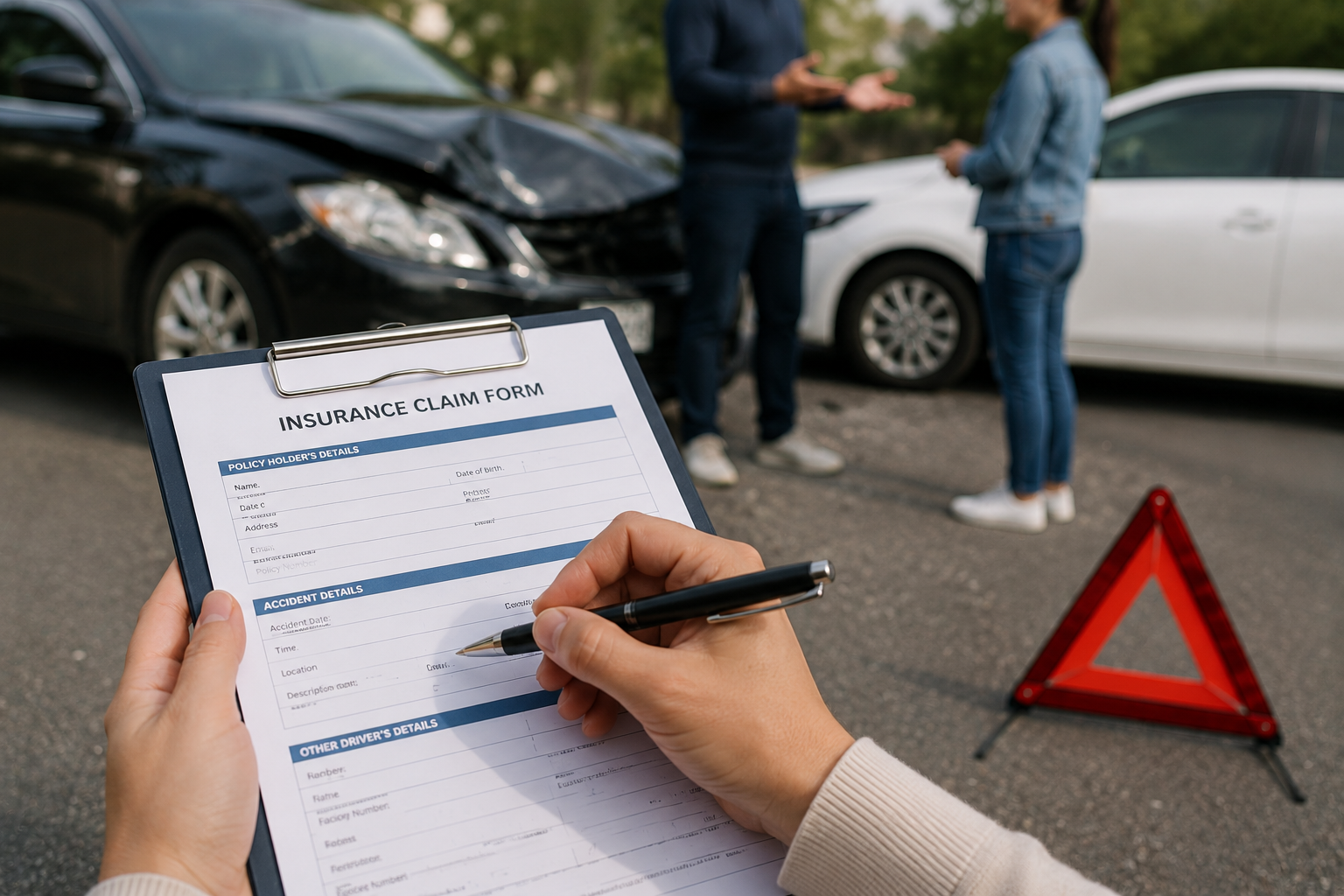
Even if the other driver doesn’t have insurance, you should still document the accident as thoroughly as possible.
For example, gather:
Driver information
Vehicle information
Photographs
Videos
Witness information
Medical records
Repair estimates
Insurance documents
Accident-related expenses
Additionally, keep copies of everything you submit or receive during the claims process.
Report the Accident to Your Insurer
Next, notify your insurance company according to the requirements of your policy.
Even if the other driver has no insurance, don’t assume there is nothing to report. Instead, your own policy may provide coverage that becomes important to your claim.
Furthermore, some policies may have specific notice requirements or deadlines, so reviewing your policy promptly can help you avoid unnecessary complications.
What If the Other Driver Has Some Insurance but Not Enough?
An underinsured driver is different from an uninsured driver.
In this situation, the other driver may have insurance, but the available coverage may not be enough to address the losses associated with your accident.
Depending on your policy and state law, underinsured motorist coverage may become relevant.
Uninsured and Underinsured Are Not the Same
Understanding this distinction can help you ask better questions about your insurance coverage.
An uninsured driver has no applicable liability coverage. In contrast, an underinsured driver has coverage, but the available limits may not be enough to cover the damages involved.
Therefore, review your policy carefully before assuming you know what coverage may apply.
What If You Were Injured?
If you were injured, keep detailed records of your medical treatment and related expenses.
These may include:
Medical bills
Prescription costs
Physical therapy
Transportation to treatment
Lost income
Follow-up care
In addition, keep records of how your injuries affect your daily activities and ability to work.
If your symptoms change or additional treatment becomes necessary, update your records accordingly.
What If the Uninsured Driver Was at Fault?
Determining who caused the accident can still matter even when the other driver has no insurance.
For example, photographs, witness statements, vehicle damage, videos, and other evidence may help establish what happened.
Therefore, don’t overlook evidence simply because the other driver lacks insurance.
If liability becomes disputed, the available evidence may become particularly important when evaluating your claim.
When Should You Talk to a Lawyer?
You may be able to handle some insurance matters without an attorney. However, legal guidance may be useful if you suffered significant injuries, substantial financial losses, or a dispute develops with an insurance company.
A qualified attorney can review the circumstances of your accident and explain what options may be available.
Situations That May Require Extra Attention
Consider seeking legal guidance if:
You suffered serious injuries.
The insurance company disputes your claim.
The other driver denies responsibility.
Your losses exceed available insurance coverage.
You are unsure whether uninsured or underinsured motorist coverage applies.
The insurer offers a settlement you believe does not reflect your losses.
Ultimately, the right approach depends on the circumstances of your accident and the coverage available to you. Understanding your coverage is an important part of pursuing an uninsured driver claim. If you are unsure what your policy covers, consider asking your insurer or a qualified attorney for clarification.
Frequently Asked Questions
Can I file an uninsured driver claim?
Yes, you may have options through your own insurance coverage or other potential sources of recovery. However, the available options depend on your policy, the circumstances of the accident, and applicable law.
What if the other driver has no insurance?
First, notify your insurance company according to your policy requirements. Then, preserve photographs, videos, witness information, medical records, and other evidence related to the accident.
Does uninsured motorist coverage pay for everything?
Not necessarily. Instead, coverage limits, policy terms, exclusions, deductibles, and applicable law can affect what may be covered.
What if the other driver has insurance but not enough?
In that situation, underinsured motorist coverage may become relevant, depending on your policy and applicable law.
Should I talk to a lawyer after an accident with an uninsured driver?
If you suffered significant injuries, substantial losses, or a dispute develops with an insurer, a qualified attorney can help you understand your options.
Final Thoughts
An accident involving an uninsured driver can create additional complications. Nevertheless, you may still have options.
First, review your insurance policy and understand what coverage may apply. Next, notify your insurer as required and preserve evidence from the accident. Finally, keep detailed records of your medical treatment, property damage, lost income, and other losses.
Because insurance coverage and accident laws vary, getting reliable information early can help you make more informed decisions about your claim.
Educational Disclaimer: This article is for general informational and educational purposes only and does not constitute legal advice. Laws, insurance policies, coverage requirements, and claim procedures vary by state and individual circumstances. Car Wreck Lawyer Near Me connects injured individuals with licensed attorneys in Georgia, Alabama, and South Carolina. Attorney advertising. Prior results do not guarantee a similar outcome. No attorney-client relationship is formed by use of this website.
For more car accident tips, legal information, and updates, follow Car Wreck Lawyer Near Me on Instagram.