A car accident can happen in an instant, leaving drivers feeling overwhelmed and unsure of what to do next. While your safety should always come first, the actions you take at the scene can significantly impact your insurance claim and any potential legal case. Having a clear plan can help protect your rights and ensure important evidence is preserved.
Here is a step-by-step checklist of what to do immediately after a car accident.
Step 1: Prioritize Safety
Before anything else, check yourself and your passengers for injuries. If anyone is hurt, call 911 immediately and request medical assistance. If it is safe to do so, move vehicles out of traffic to prevent additional collisions. Turn on your hazard lights and remain calm while waiting for help to arrive.
Step 2: Call the Police
Even if the accident appears minor, it is wise to contact law enforcement. A police report provides an official record of the crash and can be valuable when dealing with insurance companies. When officers arrive, provide accurate information but avoid speculating about fault or making statements that could be misunderstood.
Step 3: Exchange the Right Information
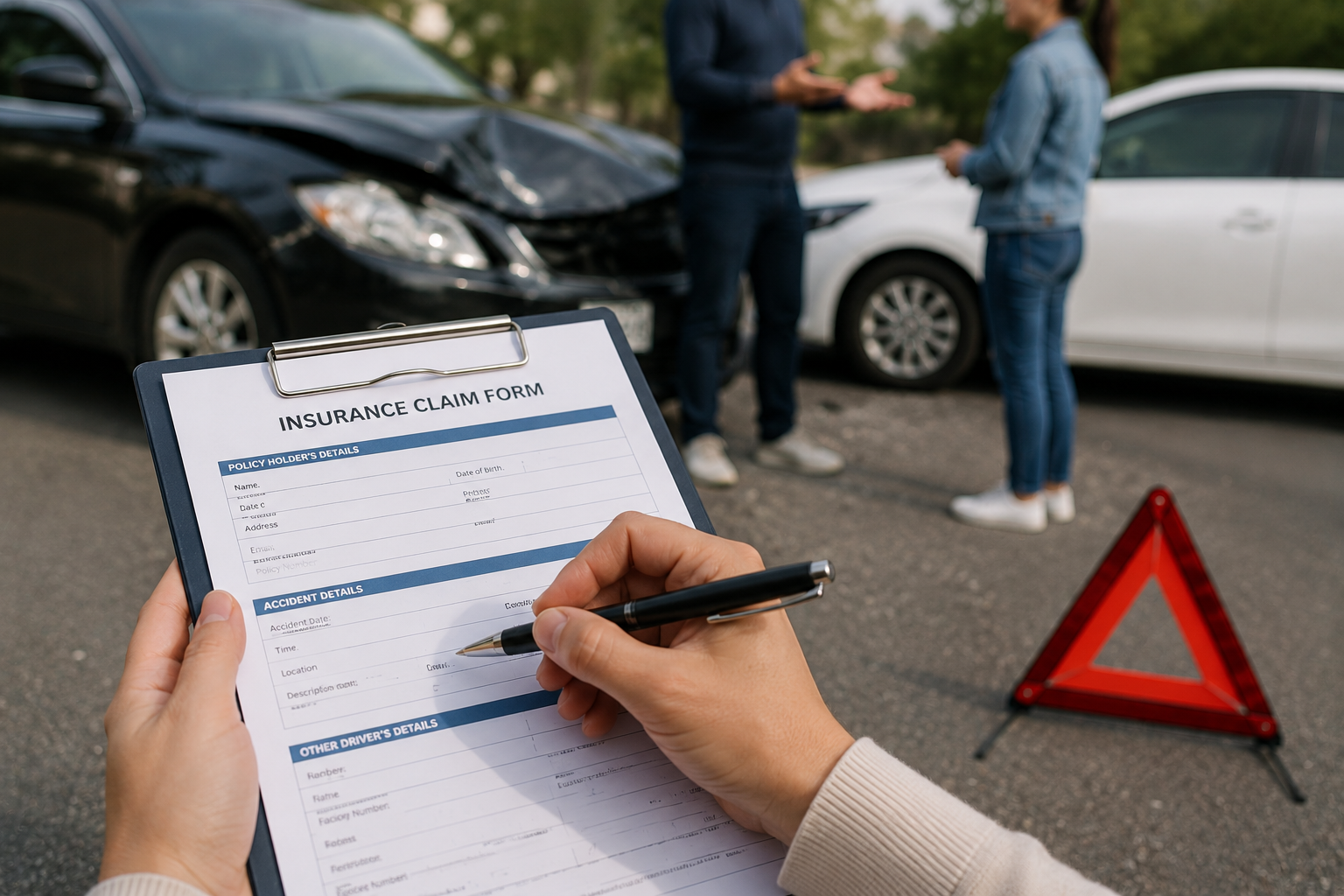
Collecting complete and accurate information is essential. Be sure to exchange the following details with all involved drivers:
- Full name
- Phone number
- Home address
- Driver’s license number
- Insurance company name
- Insurance policy number
- Vehicle make, model, and year
- Vehicle license plate number
If there are passengers, it may also be helpful to note their names and contact information. If witnesses observed the accident, politely ask for their names and phone numbers as well.
Step 4: Document the Scene with Photos
Photos can serve as critical evidence after an accident. Use your smartphone to take clear pictures from multiple angles. Important photos include:
Vehicle Damage
Take close-up and wide-angle photos of:
- Damage to your vehicle
- Damage to the other vehicle(s)
- Broken glass, dents, and debris
Vehicle Positions
Capture where all vehicles came to rest after the collision. These images can help demonstrate how the accident occurred.
Road and Traffic Conditions
Photograph:
- Skid marks
- Traffic signals and stop signs
- Road markings
- Construction zones
- Weather conditions
- Visibility issues
License Plates and Insurance Information
Take photos of:
- License plates
- Driver’s licenses (with permission)
- Insurance cards
Injuries
If visible injuries are present, carefully document them with photographs. Continue taking photos in the days following the accident as bruising and other symptoms develop.
Step 5: Make Notes While Details Are Fresh
As soon as possible, write down everything you remember about the accident, including:
- Date and time
- Exact location
- The direction each vehicle was traveling
- Weather conditions
- Statements made by drivers or witnesses
Small details can become important later when memories begin to fade.
Step 6: Contact Your Insurance Company and Seek Legal Guidance
Report the accident to your insurance provider promptly. Provide factual information and submit any photos or documentation you collected. If you suffered injuries or significant property damage, consulting an experienced car accident attorney can help you understand your legal options and protect your interests.
Know Your Rights
Following this car accident checklist can help you stay calm, protect your rights, and gather the evidence you need after a crash. By exchanging complete information, documenting the scene thoroughly, and preserving evidence, you place yourself in the strongest position for insurance claims and any future legal action. Keeping this checklist in mind can help you stay organized and protect your rights when it matters most.
For more car accident tips, legal updates, and guidance on protecting your rights after a crash, be sure to follow us on Instagram.
If you’ve been injured in a car accident or have questions about your legal options, don’t wait to get the help you need. Request a free consultation with our experienced attorneys today!