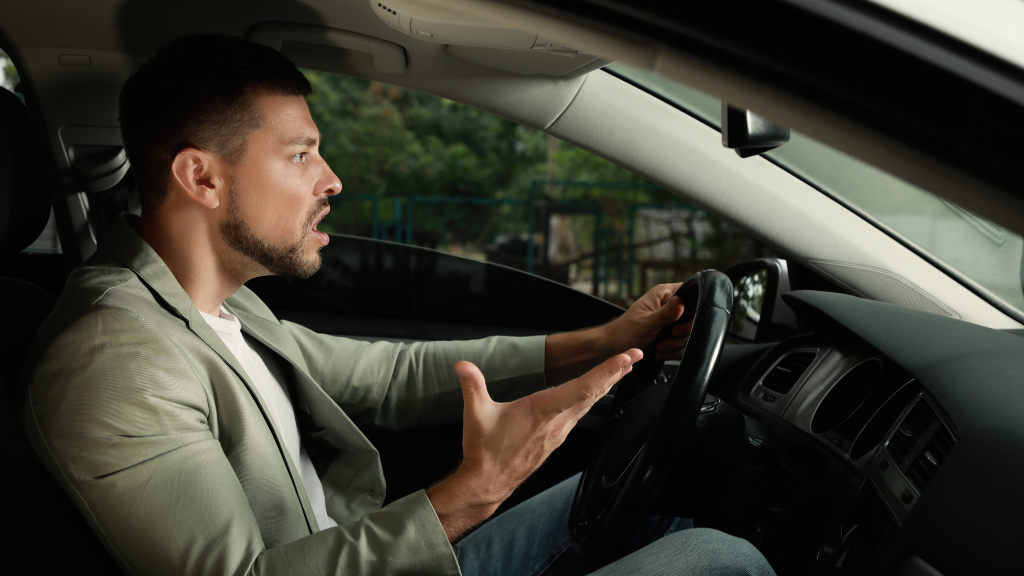
Few things are more frustrating after a car accident than hearing the other driver say:
“This was your fault.”
You may know exactly what happened.
You may have been driving carefully.
You may believe the other driver caused the collision.
But now both drivers are telling different stories.
So what happens next?
Does the other driver’s statement automatically determine who is responsible?
No.
A driver’s accusation is not the same thing as proof.
When fault is disputed, insurance companies and, when necessary, courts typically look at the available evidence to determine what most likely happened.
The Other Driver Saying You Caused the Accident Does Not Automatically Make It True
After a crash, emotions can run high.
People may be shocked, angry, scared, or confused.
Sometimes a driver immediately blames someone else before all the facts are known.
Other times, both drivers genuinely believe they had the right of way.
This is why determining fault usually requires more than simply asking each driver what happened.
Evidence may include:
- Police reports
- Photographs
- Dashcam footage
- Traffic camera recordings
- Witness statements
- Vehicle damage
- Skid marks
- Road conditions
- Traffic signals
- Cell phone records in appropriate circumstances
- Statements made by the drivers
In a civil negligence claim, the party bringing the claim generally must prove the required elements of the claim, typically under a preponderance-of-the-evidence standard. The exact rules and procedures vary by jurisdiction.
What Should You Do If the Other Driver Blames You?
The most important thing is to stay calm.
You do not need to win the argument at the accident scene.
You do not need to convince the other driver to admit fault.
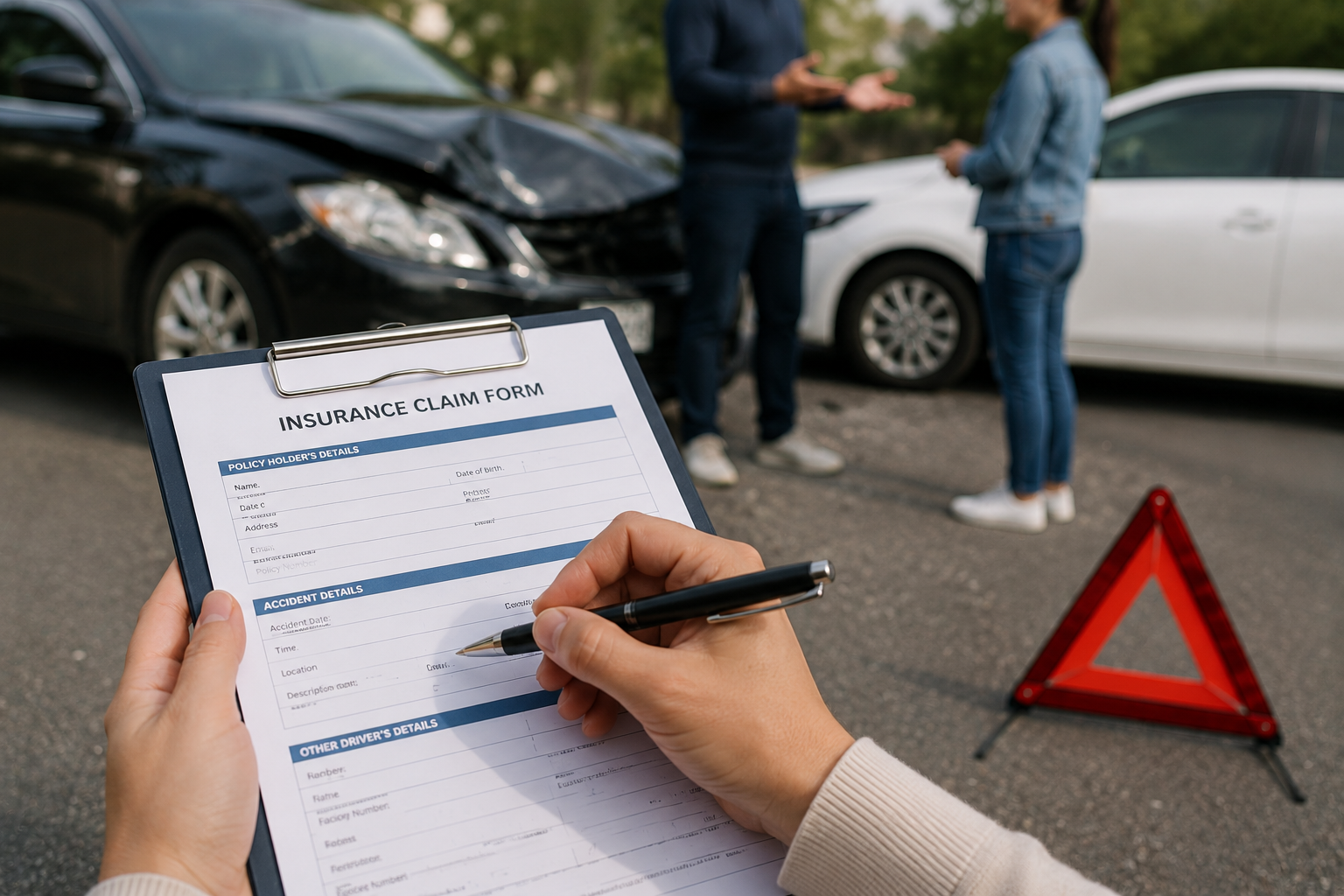
You should focus on safety, getting medical help if needed, contacting the appropriate authorities, and documenting what happened.
Avoid making statements such as:
- “It was completely my fault.”
- “I’m sorry, I wasn’t paying attention.”
- “I should have seen you.”
- “I guess I caused this.”
Even if you are simply trying to be polite or calm the situation, statements made after a crash can later be misunderstood or taken out of context.
You can exchange information without arguing about fault.
What If You Think the Other Driver Was Clearly at Fault?
You should still avoid getting into a confrontation.
Instead, document what you can.
Take photographs of:
- The vehicles
- The damage
- The accident scene
- Traffic signs
- Traffic signals
- Lane markings
- Road conditions
- Debris
- Any visible injuries
If there are witnesses, ask for their contact information if it is safe to do so.
A witness who saw the accident may be able to provide information that helps clarify what happened.
The Police Report Can Help, But It May Not Decide Everything
A police report can be important evidence in an accident claim.
It may contain:
- Driver statements
- Witness information
- Officer observations
- Diagram of the crash
- Citations issued
- Description of the accident scene
However, the existence of a police report does not necessarily mean every statement or conclusion in it will settle the question of civil liability.
Insurance companies and courts may consider the report alongside the other available evidence.
What If There Are No Witnesses?
Many car accidents happen without independent witnesses.
That does not automatically mean there is no way to determine what happened.
Other evidence may still help.
For example, investigators may review:
- Vehicle damage
- Photos from the scene
- Accident reconstruction evidence
- Dashcam footage
- Nearby surveillance footage
- Statements made shortly after the crash
- Physical evidence at the scene
Crash investigations can involve documenting scene evidence such as skid marks, fluid spills, struck objects, and vehicle damage.
Sometimes, the physical evidence tells a different story than the statements made by the drivers.
What If Both Drivers Are Partially at Fault?
This is another possibility.
An accident is not always a simple situation where one person is 100% responsible and the other person did nothing wrong.
In some states, both parties may be assigned a percentage of fault under comparative negligence rules. The effect of that assigned percentage can vary depending on the law of the state where the accident occurred.
For example, in a jurisdiction using a comparative negligence approach, a person’s recovery may be reduced based on the percentage of fault assigned to them.
Other states use different rules.
This is why you should not assume that being accused of causing an accident automatically means you have no legal options.
What If You Were Given a Traffic Ticket?
A traffic ticket may become part of the evidence surrounding an accident, but it does not necessarily answer every question involved in a civil claim.
The circumstances matter.
A ticket, police report, witness testimony, photographs, and other evidence may all be considered when determining what happened.
The relationship between a traffic violation and civil liability can also vary depending on state law.
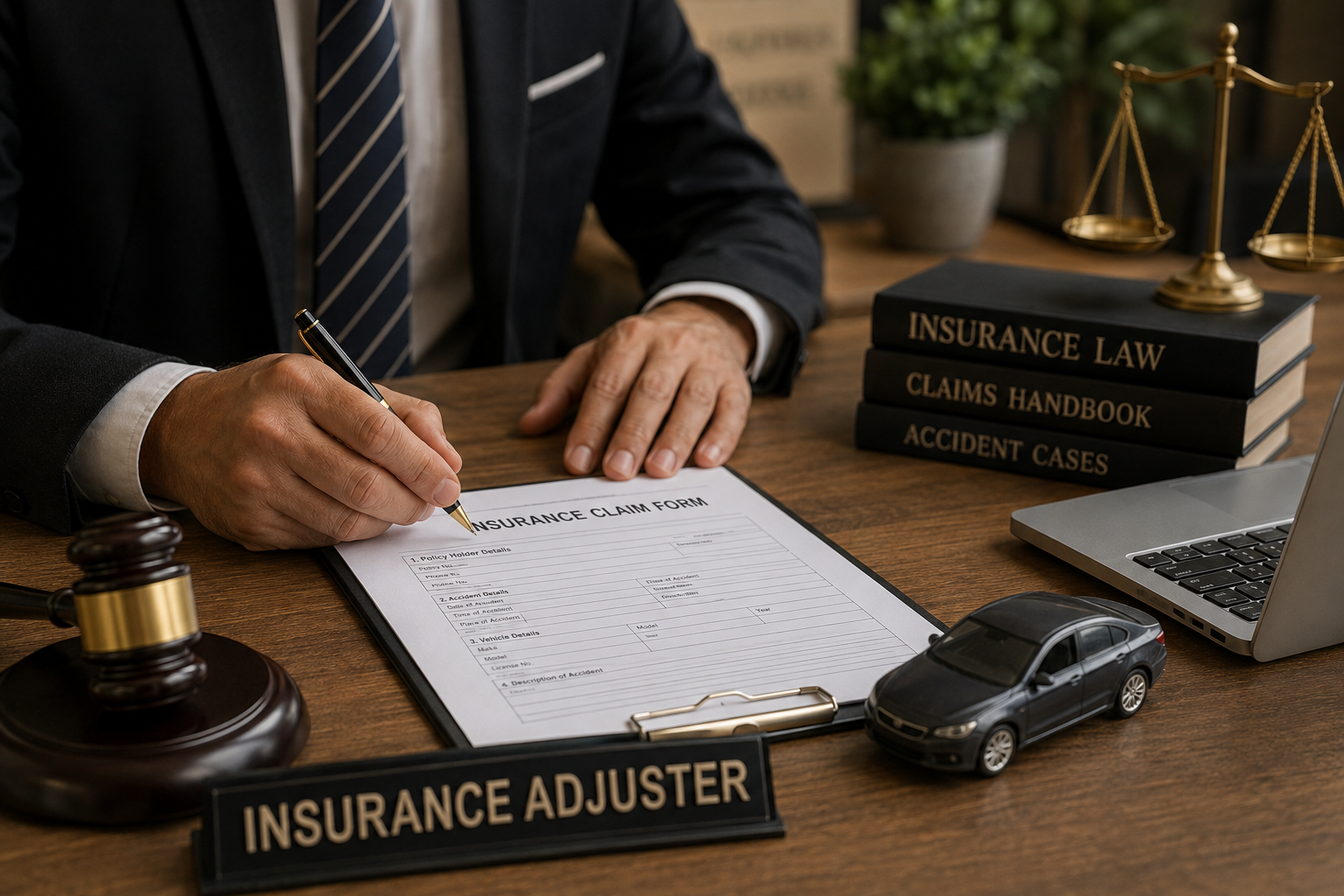
What If the Insurance Company Says You Caused the Accident?
Insurance companies investigate claims based on the information available to them.
An adjuster may review:
- Your statement
- The other driver’s statement
- Police reports
- Photographs
- Vehicle damage
- Medical documentation
- Witness information
- Available video evidence
If the insurance company concludes that you were responsible, that does not necessarily mean the investigation is the final word on every legal issue.
If you disagree with the decision, you may have options depending on your insurance policy, the facts of the accident, and the law in your state.
Be Careful About Giving a Recorded Statement
Insurance companies may ask questions about what happened.
You should answer questions truthfully.
However, it is important to understand what you are being asked, who is asking, and how your statement may be used in the claims process.
Avoid guessing.
If you do not know the answer to a question, it is better to say that you do not know than to speculate.
For example, if you do not know how fast the other vehicle was traveling, do not guess a speed.
If you do not remember the exact order of events, do not fill in the gaps simply because you feel pressured to provide an answer.
What If You Said Something That Could Be Misunderstood?
After a stressful accident, people sometimes make statements they later regret.
They may say:
- “I’m fine.”
- “I didn’t see the car.”
- “I might have been distracted.”
- “I don’t think I’m hurt.”
These statements do not automatically determine the outcome of a claim.
People may be in shock immediately after an accident. Injuries may also develop or become more noticeable later.
The important thing is to be honest and provide an accurate account of what you remember.
Why Documentation Matters So Much
When fault is disputed, documentation can become particularly important.
Try to preserve:
- Accident photographs
- Video footage
- Insurance information
- Medical records
- Medical bills
- Witness information
- Police documents
- Communication with insurance companies
- Information about missed work
The more complete the record, the easier it may be to understand the circumstances surrounding the accident.
What If You Are Unsure Who Was at Fault?
You do not have to solve the entire legal question at the accident scene.
You may not know every detail immediately.
You may not know what the other driver was doing before the collision.
You may not know whether nearby cameras captured the accident.
You may not know how the damage occurred.
That is why evidence matters.
A car accident claim should be evaluated based on the facts and available evidence—not simply on which driver was the first to point a finger.
Final Thoughts
If the other driver says the accident was your fault, do not automatically assume that the accusation determines what happens next.
Stay calm.
Avoid arguing.
Document the scene.
Preserve evidence.
Be truthful about what you remember.
And understand that fault can depend on the full circumstances of the accident and the laws that apply where the crash occurred.
When the facts are disputed, getting informed about your options can help you make better decisions about what to do next.
This article is for general informational purposes only and is not legal advice. Fault rules, insurance procedures, and deadlines vary by state.