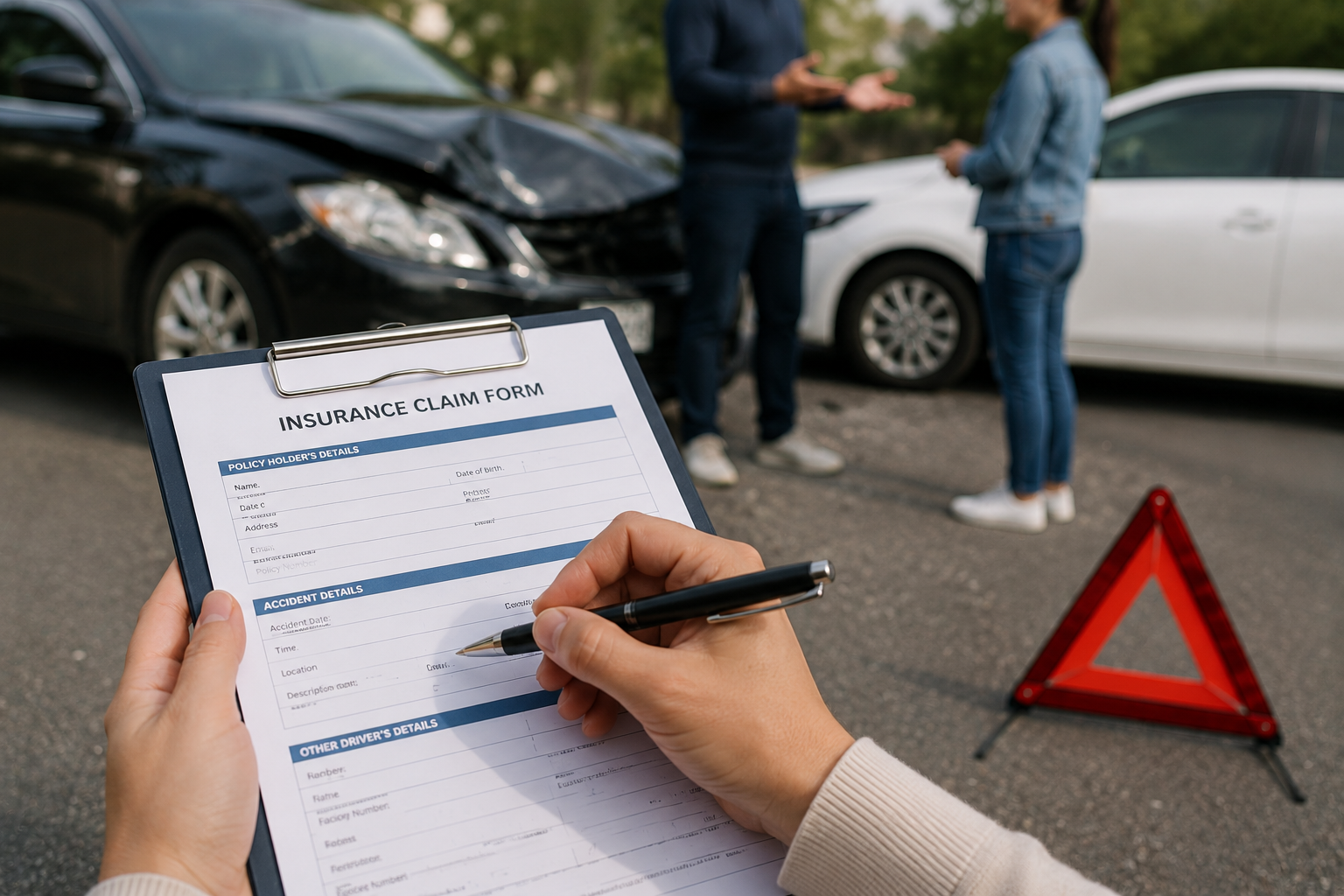
A car accident can happen in just a few seconds.
One moment, traffic is moving normally. The next, another vehicle runs a red light, changes lanes unexpectedly, follows too closely, or turns directly into your path.
After the crash, the details may seem obvious to you.
But what happens when the other driver tells the insurance company a completely different story?
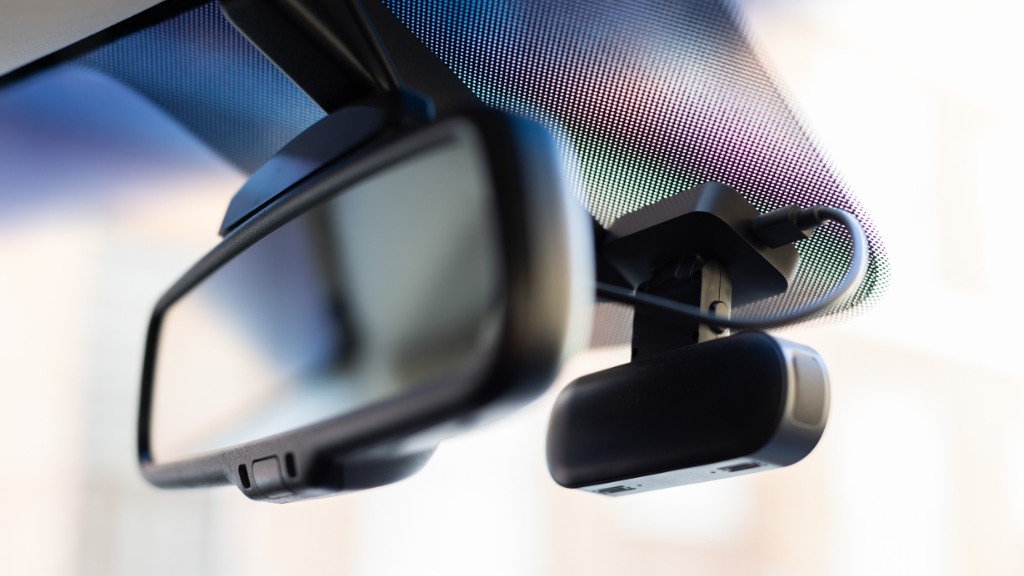
This is one reason dashcam footage can be so valuable after a car accident.
A dashcam video may capture what happened before, during, and immediately after a collision. In some cases, that footage can provide important evidence when drivers disagree about how the accident occurred.
But is dashcam footage automatically enough to win a car accident claim?
Not necessarily.
The value of any video depends on what it shows, how clearly it captures the accident, and how it fits with the other evidence available.
What Can a Dashcam Video Show?
A dashcam can potentially capture important details that may otherwise be difficult to prove.
Depending on the camera’s position and recording quality, footage may show:
- The traffic light or stop sign
- Vehicle positions before the crash
- Lane changes
- Speed and movement
- Turn signals
- Sudden braking
- The point of impact
- The other driver’s actions
- Road conditions
- Weather and visibility
- What happened immediately after the collision
This information can help create a clearer picture of how the accident happened.
A video may also help confirm or challenge statements made by the drivers involved.
Why Dashcam Footage Can Be Important
After an accident, people often remember events differently.
One driver may say they had the right of way.
The other driver may say the light was green.
One person may believe the other vehicle suddenly changed lanes.
The other driver may insist they were already in the lane.
When there are conflicting accounts, evidence can become extremely important.
Dashcam footage may provide a visual record of what happened instead of relying only on memory.
This can be particularly useful when there are no independent witnesses or when the accident scene changes quickly.
Does Dashcam Video Prove Who Was at Fault?
Not automatically.
A dashcam recording can be powerful evidence, but it does not necessarily answer every question in a car accident claim.
For example, a video may show the collision but not clearly show:
- What happened before the recording began
- Whether a traffic signal was visible
- The speed of the vehicles
- The full road conditions
- Events outside the camera’s view
The video may also be unclear, obstructed, too short, or recorded from an angle that does not show the entire accident.
In many cases, dashcam footage is evaluated together with other evidence, including police reports, photographs, witness statements, vehicle damage, medical records, and insurance information.
What Should You Do If You Have Dashcam Footage?
If your dashcam recorded the accident, preserve the original footage as soon as possible.
Avoid deleting, editing, or overwriting the file.
Many dashcams automatically record over older footage when the memory card becomes full. If the accident footage is important, save a copy immediately.
You should also preserve the original file whenever possible.
Keep:
- The original video file
- A backup copy
- Any related files from the same recording
- Information about the date and time of the recording
If the footage includes the moments before and after the accident, preserve that portion as well. The events leading up to a crash may be just as important as the impact itself.
Don’t Assume Only the Other Driver’s Dashcam Matters
You may not have a dashcam in your own vehicle.
That does not mean no video exists.
Potential sources of footage may include:
- Other vehicles
- Nearby businesses
- Traffic cameras
- Residential security cameras
- Doorbell cameras
- Buses or commercial vehicles
A witness may also have recorded the accident on a phone.
Because surveillance systems often automatically overwrite older footage, acting quickly can be important when video evidence may exist.
What If the Other Driver Has Dashcam Footage?
The other driver may have a recording that shows the accident from a different angle.
That footage could support either driver’s version of events.
This is why it is generally important not to assume that a claim will be decided based solely on what one person says happened.
The full evidence should be reviewed.
Can Dashcam Footage Help With Insurance?
Potentially, yes.
Insurance companies typically evaluate evidence when investigating an accident claim. The Insurance Information Institute recommends reporting an accident promptly and keeping organized records of claim-related information and documents.
Dashcam footage may help an insurer better understand:
- How the accident occurred
- Which vehicles were moving
- Whether a driver appeared to violate traffic rules
- Whether the damage is consistent with the reported collision
However, an insurance company may still consider other evidence before making a liability decision.
What If the Video Shows You Made a Mistake?
This is an important question.
A dashcam video may not always show exactly what someone hopes it will show.
It may reveal that both drivers contributed to an accident, or that the facts are more complicated than initially believed.
Fault rules vary significantly by state. Some jurisdictions apply comparative negligence rules, while others use different approaches that can affect whether and how a partially at-fault person may recover damages.
This is one reason it is important to understand the full picture before making assumptions about what a video means legally.
Can You Use a Phone Video Instead?
Yes.
A phone recording, witness video, business surveillance footage, or other recording may also provide important evidence.
The most important questions are:
- What does the video actually show?
- Is the footage authentic?
- Is it relevant to the accident?
- Is the timing clear?
- Does it show the events before, during, or after the collision?
The source of the video matters less than the information it provides and how it fits with the rest of the evidence.
What If the Video Is Deleted?
If you know that potentially important footage exists, it may be important to act quickly to preserve it.
Surveillance systems may automatically overwrite recordings. A witness may lose a phone or delete a file. A dashcam may record over older footage.
Evidence can become harder to recover as time passes.
Early evidence collection can be important because witnesses may become harder to locate and physical or electronic evidence may disappear over time.
Final Thoughts
Dashcam videos can be extremely helpful after a car accident, especially when the drivers disagree about what happened.
But a video is only one piece of evidence.
The strongest understanding of a crash often comes from looking at the entire picture: the video, photographs, witness statements, police report, vehicle damage, medical records, and other available information.
If you have dashcam footage of a car accident, preserve it and avoid deleting or editing the original recording.
Understanding what happened is the first step toward understanding what options may be available next.
This article is for general informational purposes only and is not legal advice. Laws and procedures vary by state, and the value of any evidence depends on the specific circumstances of each accident.