The Adjuster’s Real Job
An insurance adjuster is not your friend, your advocate, or your case manager. Their job is to evaluate your claim on behalf of the insurance company and minimize what that company pays out. Every adjuster is trained to manage claim costs. Their performance reviews, bonuses, and career advancement often depend on how efficiently they close files and how little they pay to settle them.
This does not mean every adjuster is dishonest. Many are simply doing the job they were hired to do within a system designed to protect the insurance company’s bottom line. Their politeness on the phone does not change the underlying incentive structure. Understanding this distinction is the first step toward protecting yourself after a car wreck.
How Insurance Companies Receive and Process Claims
When a car accident is reported, the claim enters an internal system where it is assigned a claim number and routed to an adjuster or a team of adjusters. Larger insurance companies often split responsibilities between a first notice of loss representative, a liability adjuster who determines fault, a property damage adjuster who handles vehicle repairs, and a bodily injury adjuster who evaluates medical claims and pain and suffering.
Each of these representatives works from internal claims-handling guidelines that dictate how quickly to make contact, what recorded statements to request, and what settlement ranges are considered acceptable for certain types of injuries. These guidelines are not created for your benefit. They exist to standardize how claims are minimized across thousands of similar cases.
The Questions They Ask, and Why They Ask Them
Shortly after your accident, an adjuster will likely request a recorded statement. During this call, they may ask how the accident happened, how fast you were going, whether you saw the other vehicle coming, and how you are feeling physically. These questions can sound like simple fact gathering, but many are designed to extract statements that can later be used to reduce the value of your claim.
If you say you are “fine” or “a little sore” in the days following a wreck, that statement can be used against you later if you later discover a herniated disc or a soft tissue injury that takes weeks to fully present. Adjusters know that adrenaline and shock often mask pain in the immediate aftermath of a collision. They ask these questions early, before injuries fully surface, because early statements tend to minimize the claim.
Why Insurance Companies Push for a Fast Settlement
One of the most common insurance company tactics is offering a quick settlement shortly after the accident, sometimes within days. This offer is rarely made out of generosity. Insurance companies know that once you accept a settlement and sign a release, your case is closed permanently, even if your injuries turn out to be more serious than initially believed.
Medical conditions like whiplash, spinal injuries, and traumatic brain injuries can take days or weeks to fully develop. A fast settlement offer is designed to close the file before the true cost of your injuries becomes clear. Once you accept that check, you generally give up the right to ask for more money later, no matter how your condition progresses.
How Insurance Companies Work Together to Limit Payouts
Insurance companies frequently interact with each other, particularly in accidents involving multiple vehicles or shared liability. Behind the scenes, insurers use shared databases and claims history reports to track prior accidents, prior claims, and even prior attorney representation associated with a claimant. This information is used to build a profile that can be leveraged during negotiations.
Additionally, many insurance companies use software programs to calculate settlement values based on injury codes, treatment types, and geographic averages. These programs are built to produce conservative, cost-controlled numbers rather than numbers that reflect the true impact an injury has on your life, your work, and your family. Two different insurance companies may even coordinate communication regarding liability determinations, aligning their strategies to reduce overall exposure between both policies.
The Role of Surveillance and Social Media Monitoring
It is common practice for insurance companies to review a claimant’s social media accounts during an open injury claim. A photo of you smiling at a family gathering, attending your child’s game, or going for a short walk can be used to suggest that your injuries are not as serious as you claim, even if that single moment does not reflect your daily pain or limitations.
Some insurers go further and hire private investigators to conduct surveillance, particularly in cases involving higher claim values. Anything you say publicly, post online, or share in casual conversation can potentially become part of the insurance company’s case for reducing your settlement.
Delay as a Deliberate Strategy
While insurance companies often push for a fast settlement in the earliest days after a wreck, they may switch strategies and intentionally delay the process once a claimant has legal representation or a more significant injury. Delayed communication, repeated requests for the same paperwork, and slow responses to medical documentation are common tactics used to create financial pressure.
Insurance companies understand that medical bills accumulate and that lost income from missed work can create real financial strain. Some claimants, feeling desperate, accept a lower settlement simply because they cannot afford to wait any longer. This is not an accident. It is a calculated part of the process.
Why You Should Never Give a Recorded Statement Without Guidance
Because recorded statements can be used to minimize your claim, it is important to understand that you are never legally required to provide a recorded statement to the at-fault driver’s insurance company. You may have obligations under your own policy, but statements to the other party’s insurer should be approached with extreme caution.
Before speaking with any adjuster, especially one representing the other driver, it is worth understanding your rights and how your words might be used. A brief conversation with an attorney before that first phone call can prevent statements that unintentionally damage your claim later.
What This Means for You After a Car Accident
None of this is meant to suggest that every insurance representative is acting in bad faith on a personal level. It is meant to illustrate that the system itself is structured around cost control, not around making injured people whole. Recognizing this distinction changes how you should approach every phone call, every form, and every settlement offer you receive after a car wreck.
Documenting your injuries thoroughly, seeking consistent medical treatment, avoiding early recorded statements, and understanding that the first settlement offer is rarely the final word are all critical steps toward protecting your recovery. Knowledge of how the process actually works from the inside is one of the most powerful tools you have.
Talk to Someone Who Works for You, Not the Insurance Company
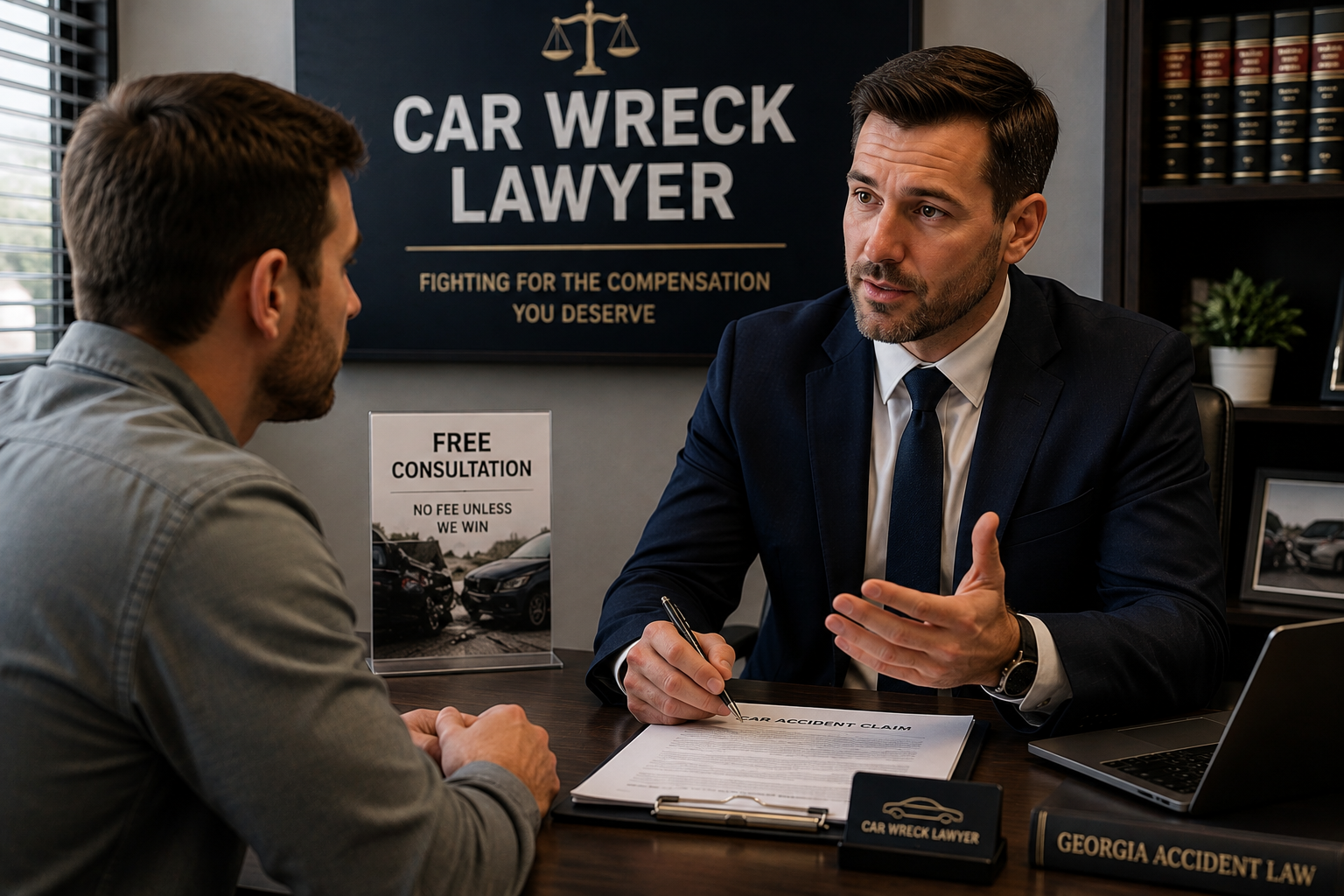
If you were injured in a car accident, you do not have to navigate the claims process alone or take the insurance company’s word for what your case is worth. An experienced car accident attorney understands these tactics because they see them in nearly every case. They know how adjusters are trained, how settlement software works, and how to push back against lowball offers designed to protect insurance company profits instead of your recovery.
Before you speak to an adjuster, sign anything, or accept a settlement offer, reach out for a free consultation. Understanding your rights early can make the difference between a settlement that covers your medical bills and lost wages, and one that leaves you covering the gap yourself.