Can You File a Car Accident Claim Without a Police Report?
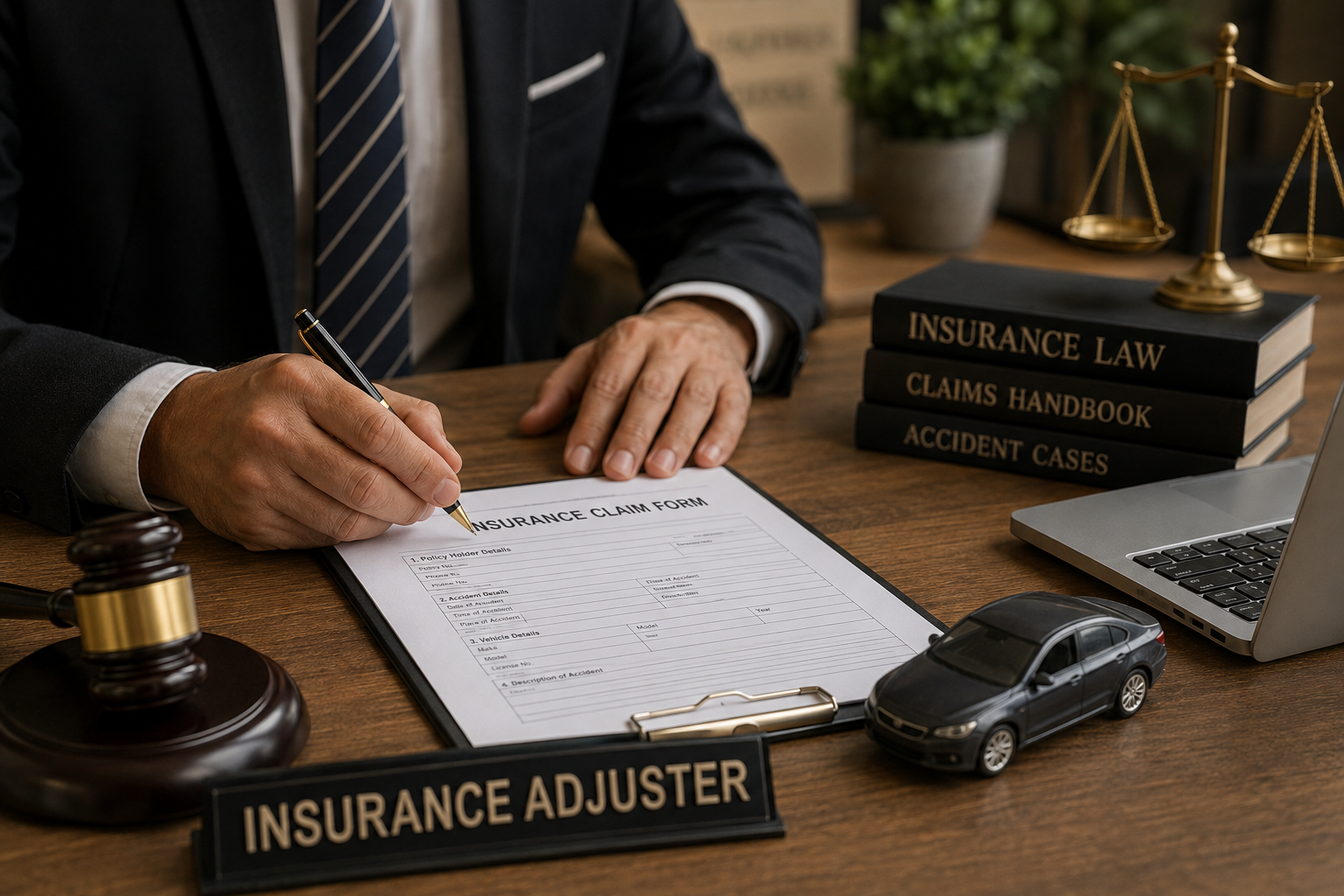
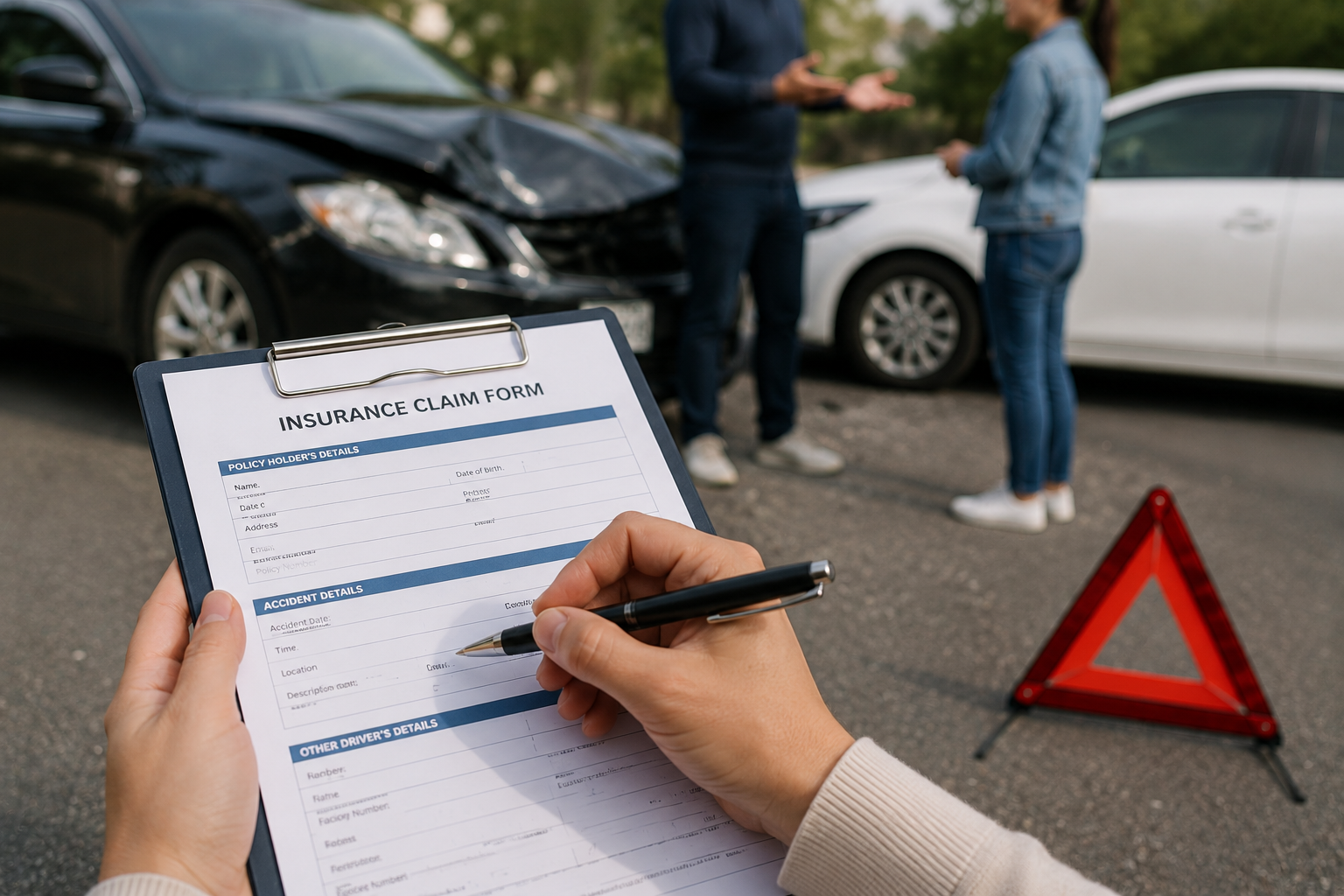
Yes, you may still be able to file an insurance claim even if you did not call the police after a car accident. However, whether a police report is required can depend on the circumstances of the accident, the insurance policy involved, and the laws of the state where the crash occurred.
A police report can be useful because it creates an official record of the accident. But it is not necessarily the only evidence that can support an insurance claim.
If you were involved in a crash and no police report was created, you may still have other forms of documentation that help establish what happened.
These can include photographs, videos, witness information, vehicle damage, medical records, insurance correspondence, and other evidence connected to the accident.
The important thing is not to assume that failing to call the police automatically means you cannot make a claim.
Table of Contents
Why People Don’t Call the Police After an Accident
Is a Police Report Required?
Can You File an Insurance Claim Without a Police Report?
What Evidence Can Help Instead?
What If the Accident Happened Days Ago?
What If the Other Driver Admits Fault?
What If the Other Driver Changes Their Story?
Should You Still Report the Accident?
Common Mistakes to Avoid
Frequently Asked Questions
Final Thoughts
Why People Don’t Call the Police After an Accident
Not every accident happens in a situation where someone immediately thinks to call law enforcement.
A driver may believe the collision is too minor to report. The other driver may suggest handling the damage privately. Everyone may initially appear uninjured. Or the people involved may simply be too overwhelmed to know what they should do.
Sometimes, the decision not to call the police happens because the accident initially appears straightforward.
For example, two drivers may exchange insurance information after a minor collision and leave the scene believing there is nothing else they need to do.
Later, however, circumstances can change.
Damage may turn out to be more extensive than initially thought. Pain or other symptoms may appear after the accident. The other driver’s insurance company may ask for additional documentation. Or the drivers may disagree about how the collision happened.
That’s when people often start asking:
“Can I still file a claim if there is no police report?”
The answer may be yes.
Is a Police Report Required After Every Accident?
There is no single rule that applies to every accident everywhere.
Reporting requirements can vary based on factors such as:
The state where the accident occurred
Whether anyone was injured
The amount of property damage
Whether a driver left the scene
Whether the roadway was obstructed
Whether there is suspected impairment
Other circumstances surrounding the crash
Because requirements differ, drivers should check the rules that apply where their accident occurred.
Even when a police report is not legally required, having one may still provide useful documentation.
Can You File an Insurance Claim Without a Police Report?
In many situations, an insurance claim can still be opened without a police report.
Insurance companies may investigate claims using information from multiple sources.
Depending on the circumstances, an insurer may consider:
Driver statements
Photographs
Video footage
Witness statements
Vehicle damage
Repair estimates
Medical records
Insurance policy information
Other available documentation
A police report can be one piece of the overall picture, but it is not necessarily the only piece.
If you don’t have a police report, focus on preserving the evidence you do have.
What Evidence Can Help Instead?
If no police report exists, documentation can become particularly important.
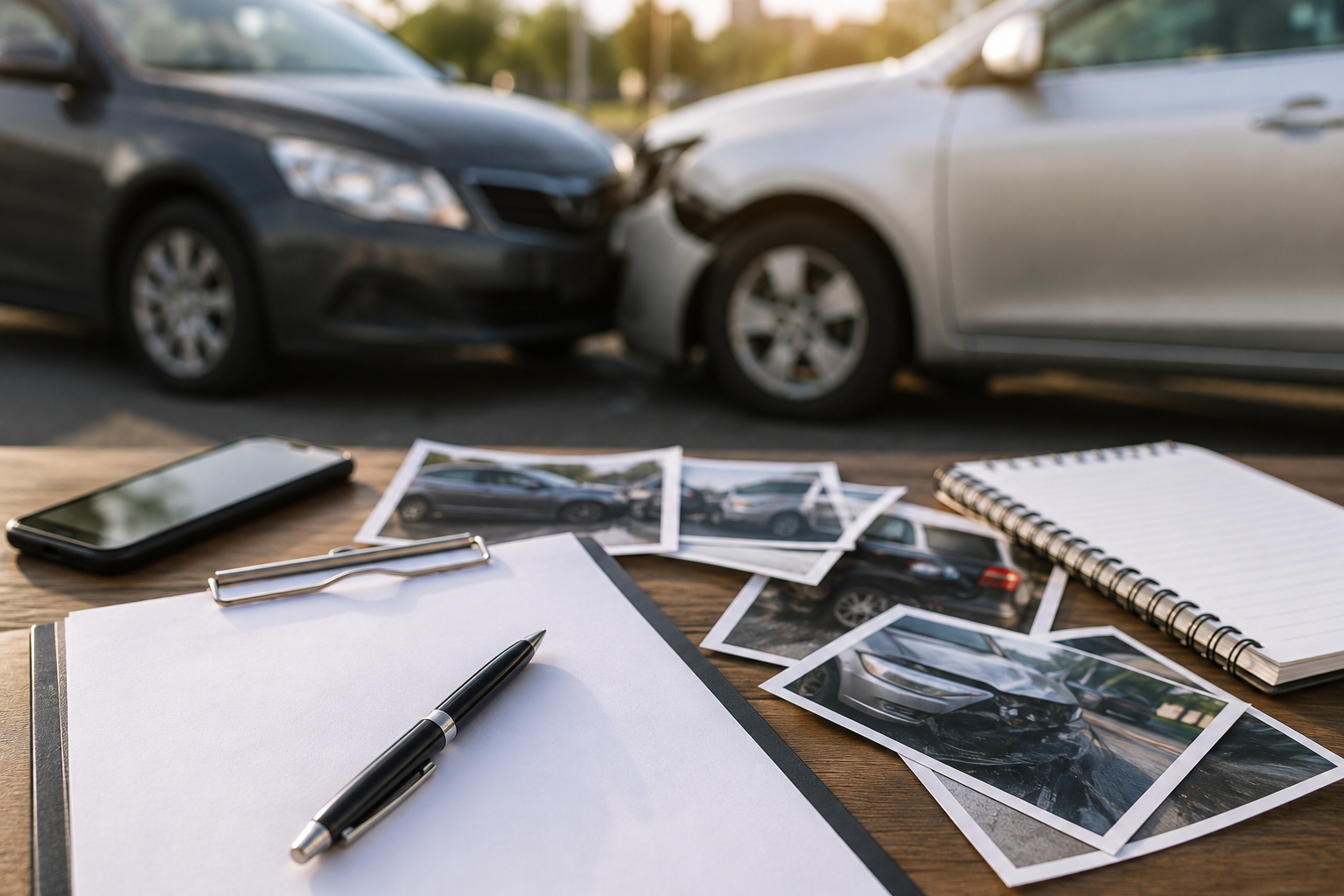
Photos and Videos
Photographs can show:
Vehicle damage
Position of the vehicles
Road conditions
Traffic signs
Traffic signals
Debris
Skid marks
Visible injuries
Surrounding areas
Dashcam footage or surveillance video may also provide valuable information when available.
Witness Information
Independent witnesses may have observed what happened.
If someone witnessed the accident, keep their contact information if they are willing to provide it.
Medical Records
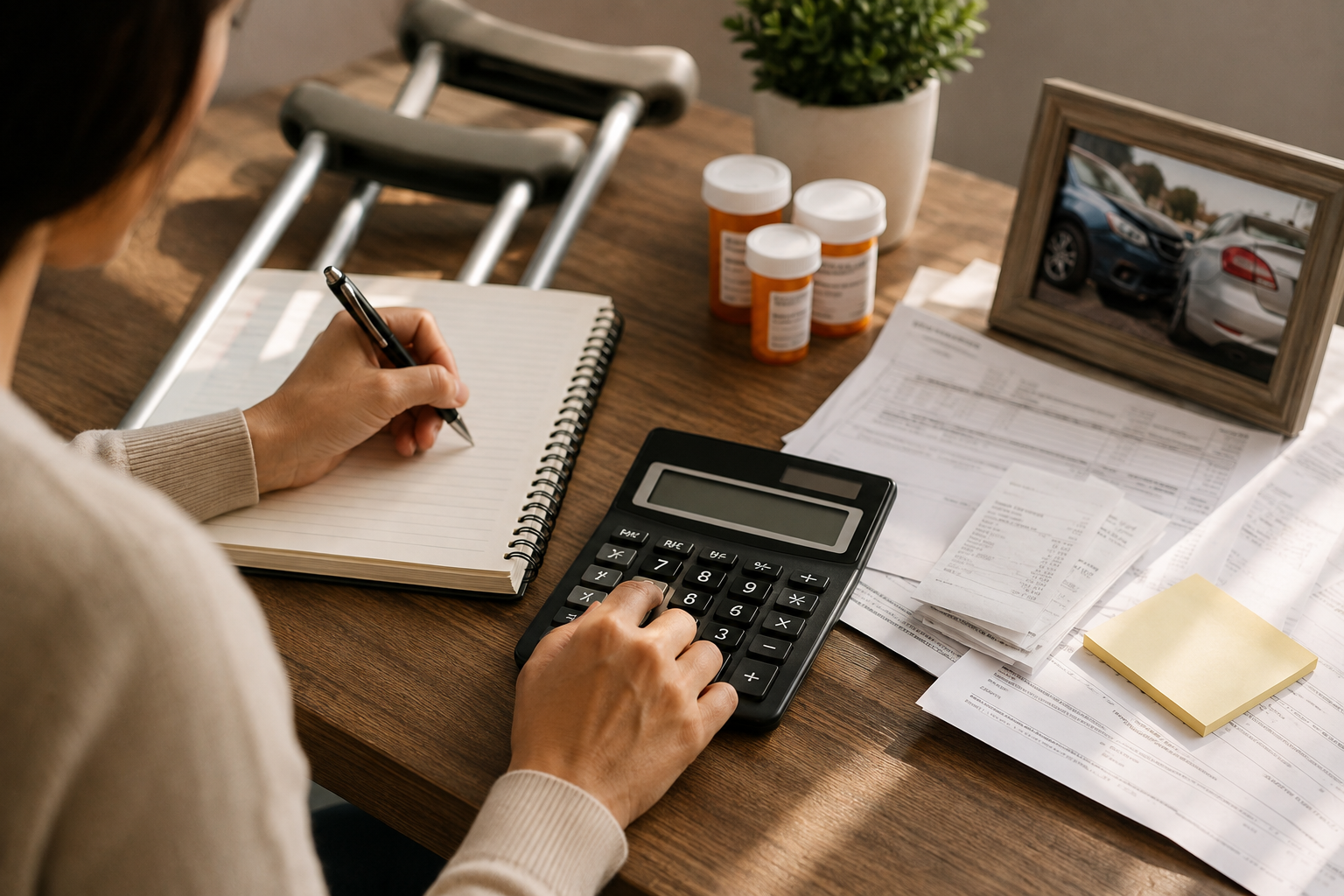
If you were injured, medical records can document:
When you sought treatment
Symptoms reported
Diagnoses
Treatment provided
Follow-up recommendations
Vehicle Repair Records
Repair estimates, photographs, towing records, and invoices can help document the extent of property damage.
Your Own Notes
Write down what you remember as soon as reasonably possible.
Include:
Date and time
Location
Weather
Traffic conditions
Direction of travel
What happened before impact
What happened immediately afterward
Memory can become less precise over time, so contemporaneous notes may be useful.
What If the Accident Happened Days Ago?
Don’t assume that because several days have passed, you automatically lost the ability to report or pursue a claim.
The appropriate next steps depend on the circumstances and applicable deadlines.
If you haven’t already done so, consider:
Reviewing your insurance policy.
Notifying your insurance company.
Gathering photographs and other evidence.
Identifying potential witnesses.
Seeking medical evaluation if you developed symptoms.
Checking applicable accident-reporting requirements.
Keeping records of accident-related expenses.
Some legal and insurance deadlines can be important, so waiting indefinitely may create unnecessary complications.
What If the Other Driver Admits Fault?
An admission at the scene may seem straightforward, but it is still important to document the accident carefully.
People sometimes change their recollection after leaving the scene.
Rather than relying solely on what another driver said, preserve:
Photos
Videos
Witness information
Insurance information
Written communications
Repair documentation
Objective evidence can become especially important if the drivers later disagree.
What If the Other Driver Changes Their Story?
This is one reason documentation matters.
If the other driver initially says one thing and later provides a different account, the available evidence may help clarify what happened.
Evidence could include:
Dashcam footage
Surveillance footage
Photographs
Witness testimony
Vehicle damage
Accident scene documentation
Avoid confronting or arguing with the other driver. Instead, preserve the information you have and provide accurate factual information when communicating with insurers or authorities.
Should You Still Report the Accident?
If you did not call the police at the scene, it may still be worth determining whether a report can or should be made afterward.
Whether this is possible or required depends on the circumstances and local rules.
If the accident involved injuries, significant damage, a hit-and-run, suspected impairment, or another serious circumstance, consider contacting the appropriate law enforcement agency to ask about reporting requirements.
Common Mistakes to Avoid
Assuming No Police Report Means No Claim
A missing police report does not necessarily eliminate every option.
Waiting Too Long to Notify Insurance
Review your policy and understand its reporting requirements.
Throwing Away Evidence
Keep photographs, estimates, receipts, messages, and other relevant records.
Assuming the Other Driver’s Version Is Final
Insurance investigations may consider multiple sources of evidence.
Ignoring Delayed Symptoms
If you develop pain or other symptoms after an accident, consider seeking medical evaluation.
Guessing About What Happened
When giving statements, stick to what you know rather than speculating about details you cannot remember.
Frequently Asked Questions
Can I file an insurance claim if there is no police report?
In many circumstances, yes. Insurance companies can consider other evidence when investigating a claim. However, requirements and procedures vary.
Is a police report necessary to prove fault?
Not necessarily. Fault may be evaluated using photographs, witnesses, videos, vehicle damage, statements, and other evidence.
What if I didn’t call the police because the accident seemed minor?
You may still be able to notify your insurer and pursue a claim. Review your policy and applicable state requirements.
What if I start feeling pain days after the accident?
Consider seeking medical evaluation. Some injuries may not become noticeable immediately.
What if the other driver refuses to give me their insurance information?
Avoid escalating the situation. If appropriate, contact law enforcement and document what you can safely record.
Final Thoughts
Not calling the police immediately after a car accident does not necessarily mean the situation is hopeless.
A police report can be valuable, but it is only one potential source of information. Photos, witnesses, videos, medical records, repair documentation, and other evidence may also help establish what happened.
If you were involved in an accident without a police report, focus on documenting what you can, understanding your insurance policy, and learning about the requirements that apply where the accident occurred.
When in doubt, getting reliable information early can help you make more informed decisions.
Educational Disclaimer:
This article is for general informational and educational purposes only and does not constitute legal advice. Laws, reporting requirements, insurance policies, and claim procedures vary by state and individual circumstances. Car Wreck Lawyer Near Me connects injured individuals with licensed attorneys in Georgia, Alabama, and South Carolina. Attorney advertising. Prior results do not guarantee a similar outcome. No attorney-client relationship is formed by use of this website.