What Does It Mean When an Insurance Company Calls Your Car a Total Loss?
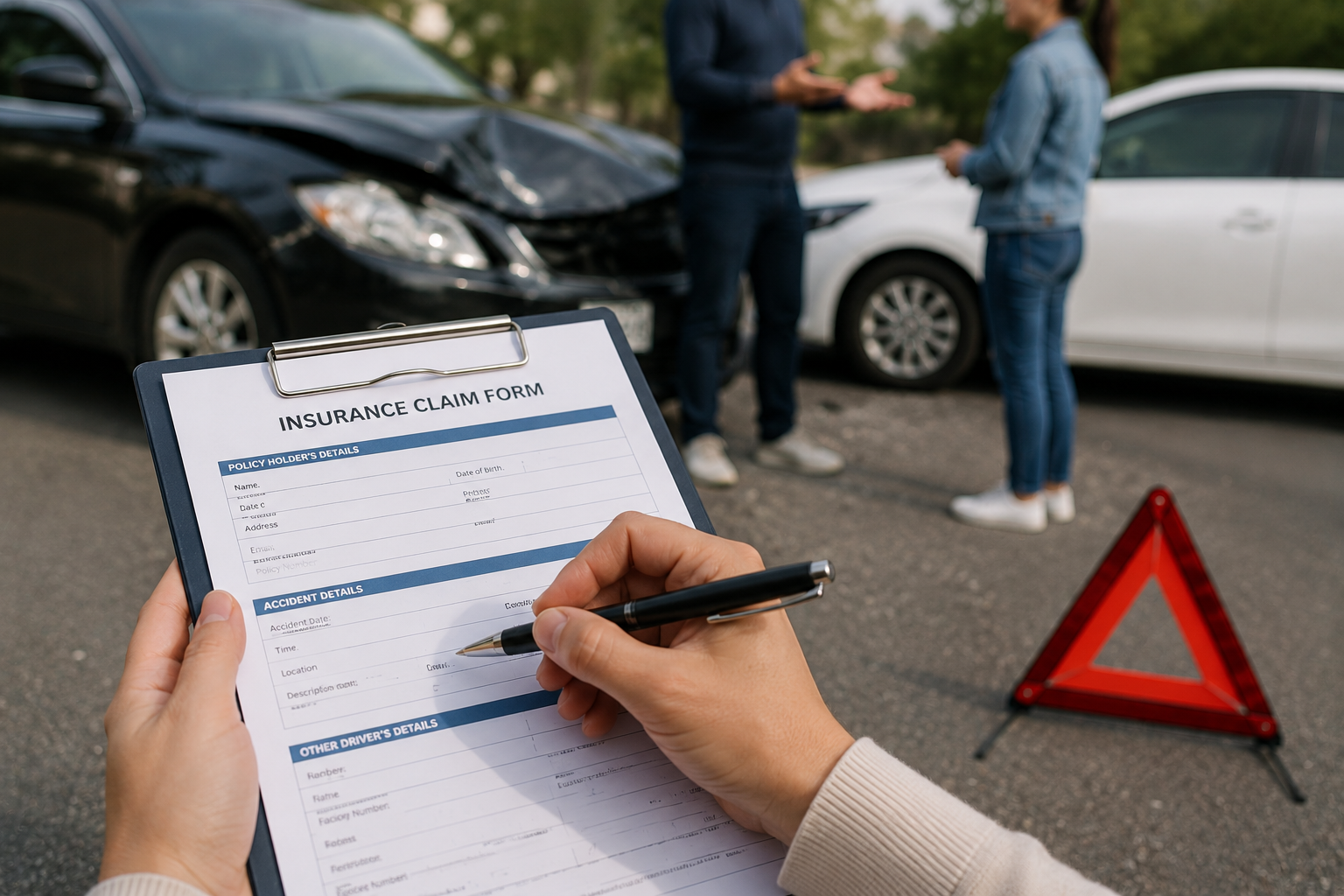
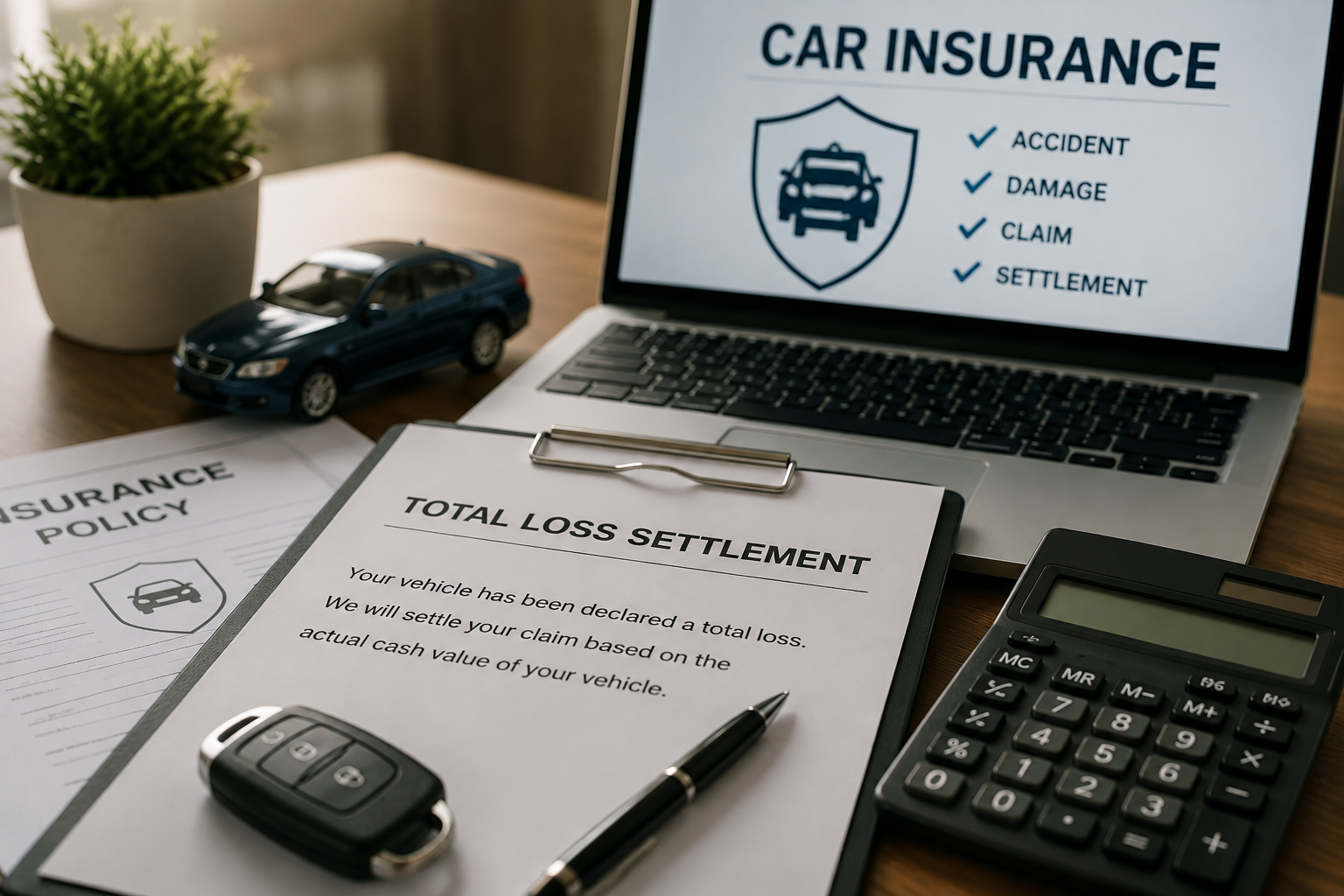
After a serious car accident, you may receive a call from an insurance company telling you that your vehicle has been declared a total loss.
For many people, this can be confusing.
Your first thought may be:
“Does that mean my car can’t be repaired?”
Not necessarily.
A vehicle may be considered a total loss when the estimated cost of repairing it is high enough compared with the vehicle’s value under the applicable rules and insurance company’s process.
The exact standard can vary depending on the state, insurance policy, and circumstances.
A total-loss decision does not necessarily mean the vehicle is physically impossible to repair. It generally means that repairing it may not make financial sense under the applicable standard.
Table of Contents
What Is a Total Loss?
How Does an Insurance Company Decide?
What Happens After Your Car Is Declared a Total Loss?
How Is Your Vehicle’s Value Determined?
What If You Disagree With the Valuation?
What Happens If You Still Owe Money on the Car?
What About a Rental Car?
Can You Keep a Totaled Vehicle?
What Happens to the Title?
Common Mistakes to Avoid
Frequently Asked Questions
Final Thoughts
1. What Is a Total Loss?
A vehicle is generally considered a total loss when the expected cost or circumstances of repairing it make repair economically impractical under the applicable insurance or state standard.
For example, imagine a vehicle has a market value of $15,000 before an accident.
If repairs would be extremely expensive relative to that value, the insurer may determine that repairing the vehicle is not economically practical.
However, the exact calculation isn’t universal.
State laws and insurance policies can use different standards for determining when a vehicle qualifies as a total loss.
2. How Does an Insurance Company Decide?
An insurer may consider several factors when evaluating a damaged vehicle.
These can include:
The vehicle’s pre-accident value
Estimated repair costs
Salvage value
The extent of structural damage
Applicable state regulations
The insurance policy
Vehicle age and condition
An adjuster may inspect the vehicle or review an estimate prepared by a repair facility.
The insurer then evaluates whether repairing the vehicle is appropriate under the applicable standard.
3. What Happens After Your Car Is Declared a Total Loss?
Once the insurer determines that the vehicle is a total loss, the process typically shifts from repairing the vehicle to determining its value and resolving the property-damage portion of the claim.
You may be asked to provide:
Vehicle title information
Registration information
Loan or financing information
Keys
Repair records
Other documentation
The insurer may also arrange for the vehicle to be moved or stored.
At this stage, ask questions about:
The valuation
How the settlement was calculated
Rental vehicle coverage
Where the vehicle will be stored
What documents are required
What happens to the vehicle afterward
Keeping track of these details can make the process easier.
4. How Is Your Vehicle’s Value Determined?
One of the biggest questions after a total-loss determination is:
“How much is my car worth?”
Insurance companies generally attempt to determine the vehicle’s value immediately before the accident.
Factors can include:
Make and model
Model year
Mileage
Trim level
Optional features
Overall condition
Local market conditions
Comparable vehicles
The value of a vehicle is not necessarily the same as:
The amount you originally paid
The amount remaining on your loan
The cost of replacing it with a brand-new vehicle
This distinction can surprise people.
5. What If You Disagree With the Valuation?
Sometimes vehicle owners disagree with the insurer’s valuation.
If that happens, start by reviewing the valuation information carefully.
Check for errors involving:
Mileage
Trim level
Optional equipment
Vehicle condition
Comparable vehicles
Previous damage
You may also want to gather documentation showing features, maintenance, upgrades, or other information that could be relevant to the vehicle’s pre-accident value.
If your policy provides a process for disputing the valuation, review those provisions carefully.
Depending on the circumstances, you may also want to seek professional guidance regarding your rights and options.
6. What Happens If You Still Owe Money on the Car?
This is an important issue.
Imagine you owe $20,000 on a vehicle, but the insurer determines its pre-accident value to be $15,000.
The insurance settlement may not automatically cover the entire loan balance.
The remaining $5,000 could potentially become the borrower’s responsibility unless applicable coverage, such as gap insurance, addresses the difference.
This is why it is important to understand the difference between:
Vehicle value
and
Loan balance.
They are not necessarily the same number.
If you financed the vehicle, contact your lender and insurance company to understand how the total-loss payment will be applied.
7. What About a Rental Car?
Whether rental-car coverage is available depends on the applicable insurance policy and circumstances.
Some policies include rental reimbursement coverage.
If a vehicle is declared a total loss, rental coverage may also have specific limits or time restrictions.
Ask your insurer:
When rental coverage begins
How long it lasts
What the daily limit is
Whether there is a total-loss cutoff
What happens once a settlement is offered
Don’t assume rental coverage continues indefinitely.
8. Can You Keep a Totaled Vehicle?
In some circumstances, a vehicle owner may be able to retain a vehicle that has been declared a total loss.
However, this can affect:
The insurance settlement
The vehicle’s title
Registration
Future insurability
Repair requirements
State rules regarding salvage or rebuilt titles vary.
If you’re considering keeping the vehicle, ask the insurer what deductions would apply and what requirements you would need to meet before driving or registering it again.
9. What Happens to the Title?
When a vehicle is declared a total loss, the title may receive a designation reflecting its salvage or total-loss status depending on state law.
The exact process varies.
A vehicle that has been substantially damaged may require inspection or other procedures before it can legally return to the road.
If you plan to keep the vehicle, research the requirements in the state where the vehicle is titled.
10. Common Mistakes to Avoid
Assuming “Total Loss” Means the Car Can’t Be Repaired
A total-loss designation can be based on economics and applicable standards rather than the vehicle being physically impossible to repair.
Accepting a Valuation Without Reviewing It
Check the information used to value your vehicle.
Errors can happen.
Forgetting About Your Loan
The amount you owe may be different from the vehicle’s pre-accident value.
Waiting Too Long to Ask About Rental Coverage
Rental benefits can have limits.
Ask questions early.
Throwing Away Vehicle Records
Maintenance records, receipts, photographs, and documentation can help establish the vehicle’s condition and features.
Frequently Asked Questions
What does it mean when insurance totals my car?
It generally means the insurer has determined that repairing the vehicle is not economically practical under the applicable standard.
Do I get the value of my car or the amount I owe on my loan?
These are different concepts. A settlement for a totaled vehicle is generally based on the vehicle’s applicable pre-accident value, not necessarily the remaining loan balance.
Can I keep my totaled car?
In some circumstances, yes. However, state rules, title requirements, and insurance considerations can apply.
Can I negotiate a total-loss settlement?
The process depends on the insurer, policy, state law, and circumstances. If you believe the valuation contains errors, review the valuation and provide relevant documentation.
Does insurance pay for a rental car after my vehicle is totaled?
It depends on the applicable coverage and policy limits. Ask your insurer how rental reimbursement works in a total-loss situation.
What if I disagree that my car is a total loss?
Ask the insurer to explain how the determination was made. You can review the repair estimate, valuation, and applicable policy provisions and provide documentation if you believe information was overlooked.